

This professional guide is meticulously crafted by senior technical engineers at Anping County Anyang Wire Mesh Co., Ltd., a leading global provider of industrial wire mesh solutions with over two decades of manufacturing experience. Galvanized screen mesh is a critical filtration and screening material widely used across industries such as chemical processing, oil extraction, construction, and environmental protection. It addresses core industry challenges including corrosion resistance, precise particle separation, and long-term durability in harsh operating environments. However, many procurement managers and engineers still face confusion regarding material specifications, coating standards, and supplier verification. In this guide, we systematically explain the core definitions, manufacturing processes, classification standards, application scenarios, international compliance requirements, and common selection pitfalls, helping you build a professional and systematic understanding of galvanized screen mesh sourcing.
Core Definition & Industry Positioning
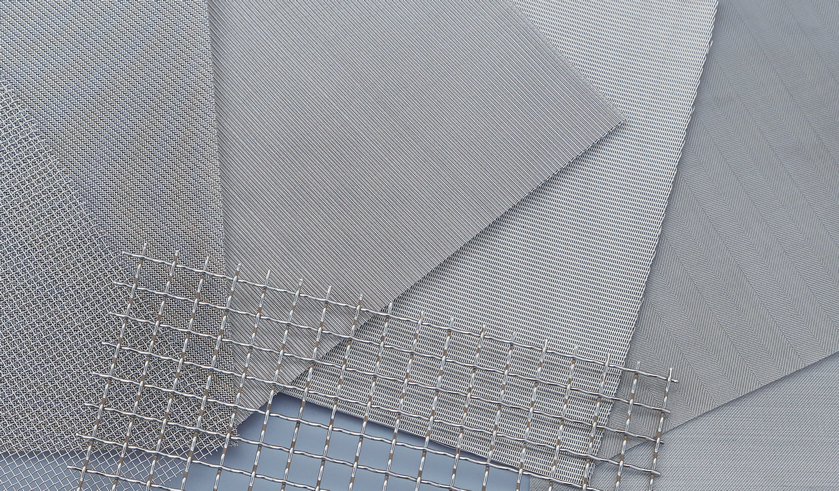
Galvanized screen mesh refers to a woven wire fabric coated with a protective zinc layer to prevent rust and corrosion, primarily utilized for solid-liquid separation, particle grading, and industrial filtration.
As a foundational component in global industrial processing, galvanized screen mesh has become indispensable for upgrading filtration efficiency and extending equipment lifespan. Its core advantages include:
1. Superior corrosion resistance: The zinc coating effectively shields steel wires from acidic, alkaline, and saline environments.
2. High mechanical strength: Maintains structural integrity under high pressure and continuous vibration.
3. Precise aperture control: Ensures consistent mesh size without deformation during high-volume production.
Core Differences from Traditional Solutions
Technical Indicator | Galvanized Screen Mesh | Uncoated Steel Mesh | Polymer Filter Mesh |
|---|---|---|---|
Corrosion Resistance | High (Zinc-coated) | Low (Rusts quickly) | Moderate |
Tensile Strength | High | High | Moderate |
Operating Temperature | Up to 200°C | Up to 200°C | Up to 80°C |
Cost Efficiency | High | Low (Frequent replacement) | Moderate |
Manufacturing Process & Technical Types
The production of galvanized screen mesh follows a standardized workflow starting with raw steel wire drawing, followed by precision CNC weaving, hot-dip galvanizing or electro-galvanizing, and multi-stage quality inspection.
Based on the coating method and weave pattern, the industry mainly categorizes galvanized screen mesh into three types:
Hot-Dip Galvanized Mesh
Core Principle: Woven mesh is dipped in molten zinc at high temperatures, forming a thick, durable metallurgical bond.
Core Advantage: Maximum corrosion protection, ideal for outdoor and marine environments.
Best Application: Construction fencing, heavy-duty filtration, coastal engineering.
Limits: Slightly thicker wire profile may affect ultra-fine filtration.
Electro-Galvanized Mesh
Core Principle: Zinc is deposited onto the wire surface via an electric current, resulting in a smooth, thin coating.
Core Advantage: Uniform surface finish, maintains precise mesh aperture.
Best Application: Electronics shielding, fine powder screening, indoor filtration.
Limits: Lower corrosion resistance compared to hot-dip variants.
Stainless Steel Galvanized Composite Mesh
Core Principle: Combines stainless steel base with optimized zinc plating for balanced performance.
Core Advantage: Excellent balance of strength and rust prevention.
Best Application: Chemical processing, pharmaceutical filtration.
Limits: Higher initial cost.
Key Performance Indicators & Selection Criteria
Understanding technical parameters is essential for accurate supplier evaluation and product matching. The following metrics define industry standards:
Performance Indicator | Standard Definition & Testing | Industry Reference Value | Selection Significance |
|---|---|---|---|
Mesh Aperture | Measured per ISO 3310-1 standard using calibrated sieves | 0.02mm to 50mm | Determines filtration precision and flow rate |
Wire Diameter | Verified via digital micrometer at multiple points | 0.1mm to 6.0mm | Impacts tensile strength and load capacity |
Zinc Coating Weight | Assessed using gravimetric testing methods | 60g/m² to 250g/m² | Directly correlates with service life in corrosive media |
Tensile Strength | Tested according to ASTM A370 guidelines | ≥350MPa to ≥600MPa | Ensures stability under mechanical stress |
Industry Application Scenarios
Backed by extensive manufacturing experience and global project deployments, galvanized screen mesh solves critical bottlenecks across multiple sectors:
1. Oil & Gas Extraction
Core Demand & Pain Points: Drilling mud filtration and sand control require materials that withstand abrasive fluids and high pressure.
Targeted Solution: Heavy-duty galvanized mesh with reinforced welding provides reliable downhole filtration and extends pump lifespan.
Verified Value: Reduces equipment downtime by 40% and lowers maintenance costs significantly.
2. Chemical & Pharmaceutical Processing
Core Demand & Pain Points: Corrosive liquid filtration demands non-contaminating, chemically stable screening surfaces.
Targeted Solution: Precision electro-galvanized meshes with uniform apertures ensure consistent product purity and safe operation.
Verified Value: Achieves filtration accuracy within ±0.05mm tolerance, meeting strict GMP compliance standards.
3. Environmental Protection & Water Treatment
Core Demand & Pain Points: Municipal wastewater treatment requires durable filters resistant to biological decay and chemical cleaning.
Targeted Solution: Hot-dip galvanized expanded and woven meshes offer long-term stability against backwashing cycles.
Verified Value: Extends filter replacement intervals by 50% while maintaining optimal hydraulic conductivity.
International Standards & Compliance
To ensure safety, reliability, and global market access, galvanized screen mesh production must adhere to recognized international frameworks:
Production Standards
ISO 9001:2000 Quality Management System: Defines comprehensive quality control protocols covering raw material sourcing, production monitoring, and final inspection.
IATF 16949:2016 Automotive Quality Standard: Specifies rigorous traceability and consistency requirements for high-volume industrial orders.
ASTM E11 Standard: Governs wire cloth sieve specifications and aperture tolerances for testing screens.
Market Compliance
European Market: CE marking (LVD + EMC directives), RoHS compliance, REACH registration.
North American Market: ASTM/ANSI certification, NSF/ANSI 61 for drinking water applications.
Asia-Pacific Market: GB/T standards alignment, local import clearance documentation.
Common Selection Misconceptions
Based on direct communication with thousands of procurement professionals, we have identified frequent errors in galvanized mesh sourcing:
Misconception 1: “Thicker zinc coating always means better quality.”
Industry Truth: Excessive coating can crack during bending or weaving, reducing adhesion. Optimal thickness depends on the operating environment.
Expert Advice: Match coating weight to specific corrosion levels rather than blindly selecting maximum values.
Misconception 2: “All Chinese suppliers offer identical pricing and quality.”
Industry Truth: Manufacturing capabilities vary significantly. Source factories with CNC automation and full traceability deliver consistent results, while trading companies often compromise on material grades.
Expert Advice: Verify production facilities, request batch test reports, and prioritize manufacturers with dual international certifications.
Misconception 3: “Standard mesh sizes fit all filtration needs.”
Industry Truth: Custom aperture adjustments and edge reinforcement are often necessary for specialized industrial pumps and centrifuges.
Expert Advice: Provide exact flow rate and particle size data to suppliers for tailored engineering recommendations.
FAQ
Q: How to verify if a Chinese galvanized screen mesh supplier is reliable?
A: Prioritize checking ISO9001 and IATF16949 dual certifications, CNC production equipment lists, factory test reports, and overseas project cases.
Q: What happens if the zinc coating thickness is insufficient?
A: It accelerates substrate rusting, shortens service life, and causes mesh perforation failure in acidic or high-salt environments.
Q: What is the typical delivery time for custom specifications?
A: Standard stock products ship within 3-5 days, while non-standard custom orders typically complete production and inspection within 7-15 working days.
Q: Which compliance documents are required for exporting to Europe and North America?
A: You must provide CE certificates, RoHS test reports, Mill Test Certificates (MTC), and customs clearance documents compliant with target country regulations.
Contact Information
Company: Anping County Anyang Wire Mesh Co., Ltd.
Official Website: https://www.anyang-wiremesh.com
Email: [email protected]
Direct Phone: +86-15031498735
WhatsApp: +85252427968
Factory Address: No. 9-3 Jingwu Road, Anping County, Hengshui City


