The Ultimate Guide to Stainless Steel Wire Mesh in 2026
1. Understanding the Basics of Stainless Steel Wire Mesh
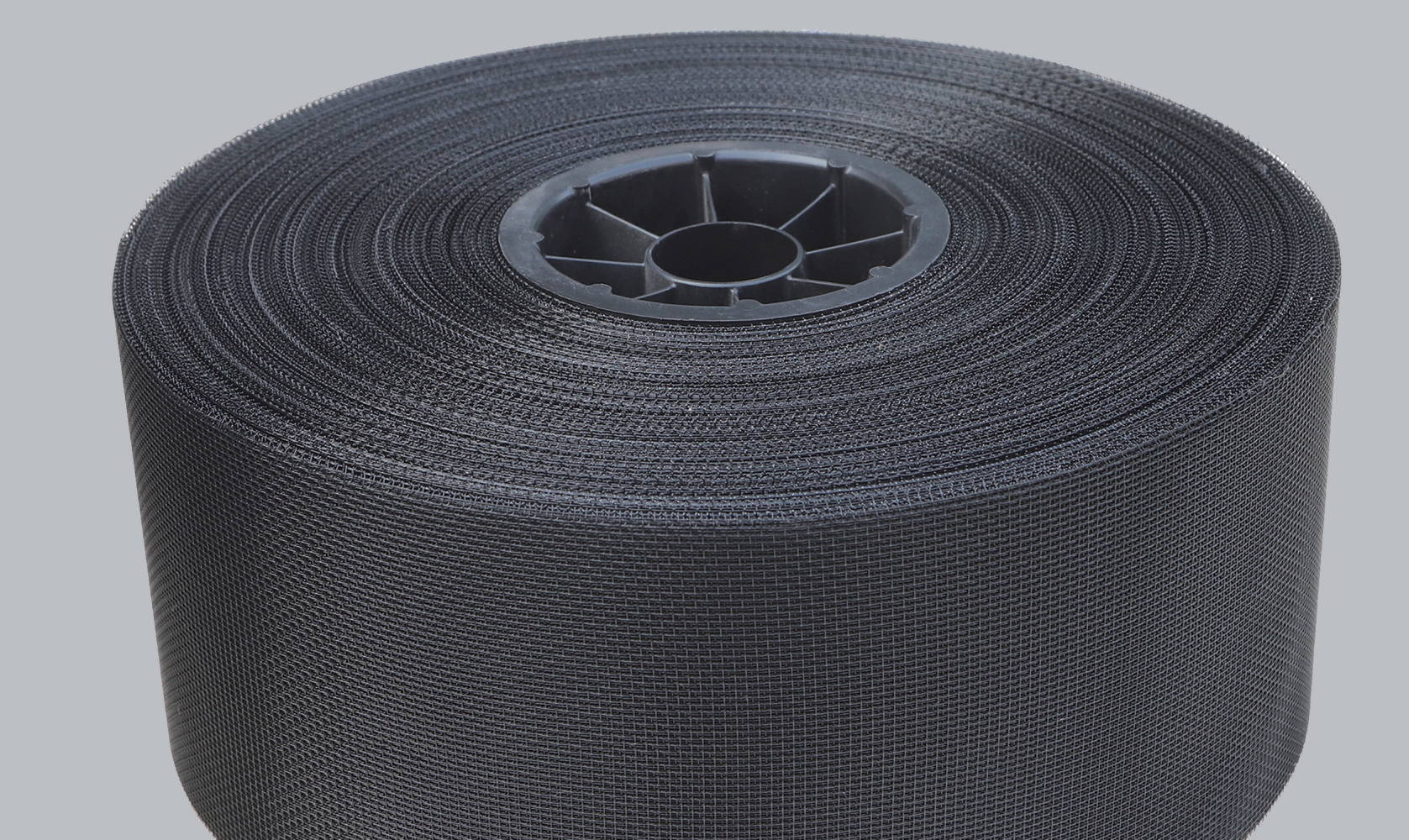
Stainless steel wire mesh is a woven or welded material made from high-quality stainless steel wires. It combines the strength of steel with exceptional corrosion resistance, making it ideal for harsh environments. The mesh structure creates uniform openings that allow for precise filtration, ventilation, and structural support.
What is Stainless Steel Wire Mesh?
Stainless steel wire mesh consists of interwoven or welded wires forming a grid pattern with consistent openings. It is manufactured using various grades of stainless steel, each offering different levels of corrosion resistance and strength. The mesh is available in different weaves, including plain weave, twill weave, and Dutch weave, each suited for specific applications.
Why Choose Stainless Steel Over Other Materials?
Stainless steel outperforms carbon steel, aluminum, and galvanized steel in many critical areas. It resists rust, corrosion, and chemical damage, ensuring long-term performance even in outdoor or industrial settings. Additionally, it maintains its strength at extreme temperatures and is easy to clean and maintain.
2. Common Specifications and Grades
Understanding the different specifications and grades is essential for selecting the right stainless steel wire mesh. Key factors include mesh count, wire diameter, opening size, and stainless steel grade.
Mesh Count vs. Wire Diameter: Key Specifications
- Mesh count: Number of openings per linear inch (e.g., 10 mesh = 10 openings per inch)
- Wire diameter: Thickness of the individual wires (measured in gauge or millimeters)
- Opening size: Clear space between adjacent wires (determines filtration capability)
- Roll dimensions: Standard widths range from 36" to 72", lengths from 50' to 100'
Popular Stainless Steel Grades for Wire Mesh
| Grade | Corrosion Resistance | Tensile Strength | Best For | Cost Level |
|---|---|---|---|---|
| 304 | Good (indoor/outdoor) | High | General purpose, food processing | $ |
| 316 | Excellent (marine/chemical) | Very High | Coastal areas, chemical plants | $$ |
| 316L | Superior (low carbon) | Very High | Welded applications, pharmaceutical | $$$ |
| 430 | Fair (mild environments) | High | Indoor use, decorative applications | $ |
3. Applications: Where to Use Stainless Steel Wire Mesh Sheets
Stainless steel wire mesh sheets find applications across numerous industries due to their versatility and durability. From industrial filtration to architectural design, the uses are virtually limitless.
Industrial and Commercial Applications
- Filtration systems: Water treatment, oil and gas processing, food and beverage production
- Ventilation and screening: HVAC systems, air filtration, insect screening
- Safety and security: Machine guards, window security, perimeter fencing
- Conveyor belts: Food processing lines, manufacturing facilities
Residential and Architectural Uses
- Garden fencing and trellises: Durable and attractive plant support
- Gutter guards: Prevent debris buildup while allowing water flow
- Decorative elements: Wall panels, room dividers, ceiling accents
- Pool and patio enclosures: Insect protection with unobstructed views
4. Frequently Asked Questions (FAQ)
Stainless Steel vs. Galvanized Wire Mesh: Which is Better?
Stainless steel offers superior corrosion resistance and longevity, especially in coastal or chemical environments. Galvanized mesh is more affordable but will eventually rust when exposed to moisture or chemicals. Choose stainless steel for long-term projects and galvanized for temporary or budget applications.
How Much Does Stainless Steel Wire Mesh Cost?
Prices range from $0.50 to $5.00 per square foot, depending on grade, mesh count, and wire diameter. 304 stainless steel is the most affordable, while 316L is the most expensive. Rolls are generally more cost-effective than sheets for large projects. Contact our team for a customized quote based on your specific requirements.
Can Stainless Steel Wire Mesh Be Cut to Size?
Yes, stainless steel wire mesh can be easily cut using appropriate tools. We offer custom cutting services to ensure your mesh fits perfectly for your project. Standard cutting tools include tin snips for thin gauges and power shears for thicker materials.
5. Installation and Maintenance Best Practices
Proper installation and maintenance will maximize the lifespan and performance of your stainless steel wire mesh. Follow these guidelines to ensure optimal results.
Essential Tools for Installation
- Wire cutters or power shears: For cutting mesh to size
- Gloves and safety glasses: Protect against sharp edges
- Stainless steel fasteners: Prevent galvanic corrosion
- Measuring tape and marker: For accurate cutting and placement
Maintenance Tips to Prolong Lifespan
- Clean regularly with mild soap and water to remove dirt and debris
- Inspect annually for signs of damage or corrosion
- Repair or replace damaged sections promptly
- Avoid contact with dissimilar metals to prevent galvanic corrosion
- Apply a protective coating in extremely harsh environments
- Stainless steel wire mesh is an investment that will provide years of reliable service when properly selected and maintained. By understanding the different grades, specifications, and applications, you can choose the perfect mesh for your project. Our team of experts is available to answer any additional questions and help you find the best solution for your needs.