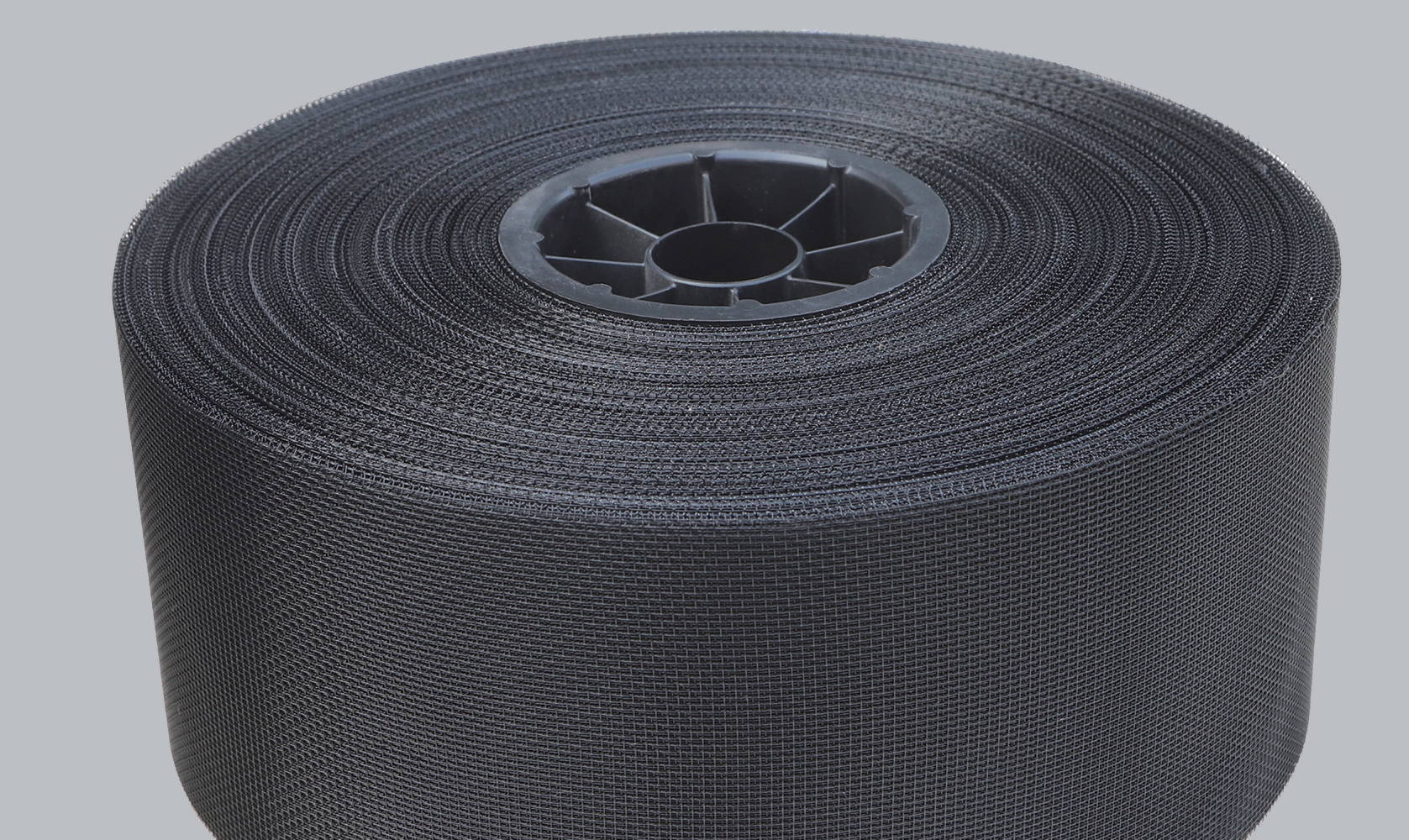
The Ultimate Guide to Welded Wire Mesh Fence in 2026
1. Understanding the Basics of Welded Wire Mesh Fence
Welded wire mesh fencing consists of steel wires welded at each intersection to form a rigid grid pattern. It offers superior strength and stability compared to woven alternatives, making it ideal for high-security applications. The manufacturing process ensures consistent mesh openings and uniform structural integrity.
What is Welded Wire Mesh Fence?
Welded wire mesh fence is fabricated by electrically welding horizontal and vertical steel wires at their contact points. This creates a strong, rigid panel that can be easily installed between posts. The fence is available in various gauges, mesh sizes and heights to suit different requirements.
Why Choose Welded Wire Mesh Over Other Fence Types?
Welded wire mesh outperforms chain link, wood and vinyl fencing in multiple key aspects. It provides excellent visibility while maintaining security, requires minimal maintenance and has a long service life. Additionally, it is highly customizable and can be adapted to almost any terrain.

2. Common Specifications and Materials
Selecting the right specifications is critical to ensuring your fence meets your performance and budget needs. Key factors include wire gauge, mesh size, height and coating type.
Standard Gauges and Mesh Sizes
- Wire gauge: Common sizes range from 10 gauge (thicker) to 16 gauge (thinner)
- Mesh opening: Standard sizes include 2"x2", 2"x4", 3"x3" and 4"x4"
- Panel height: Available from 3' to 10' for residential and commercial use
- Post spacing: Typically 6' to 10' apart depending on fence height and wind load
Galvanized vs. PVC Coated Welded Wire Fence
| Coating Type | Corrosion Resistance | UV Stability | Best For | Cost Level |
|---|---|---|---|---|
| Hot-Dip Galvanized | Excellent | Very Good | General purpose, industrial | $ |
| PVC Coated (Galvanized Core) | Superior | Excellent | Residential, decorative, coastal | $$ |
| Powder Coated | Very Good | Excellent | High-end decorative, custom colors | $$$ |
| Black Vinyl Coated | Good | Good | Temporary fencing, construction sites | $ |
3. Applications: Where to Use Welded Wire Mesh Fencing
Welded wire mesh fencing is extremely versatile and finds applications across a wide range of industries and settings. Its combination of strength, affordability and visibility makes it a popular choice worldwide.
Residential Applications
- Yard and garden fencing: Keep pets and children safe while maintaining an open view
- Pool enclosures: Meet safety codes and prevent unauthorized access
- Garden beds and raised planters: Protect plants from animals and pests
- Dog runs and kennels: Create secure, durable enclosures for pets
Commercial and Industrial Applications
- Construction site security: Temporary fencing to prevent trespassing and theft
- Warehouse and factory perimeters: High-security fencing for industrial properties
- Sports fields and playgrounds: Safe, durable fencing for recreational areas
- Agricultural fencing: Contain livestock and protect crops from wildlife
4. Frequently Asked Questions (FAQ)
Chain Link vs. Welded Wire Fence: Which is Better?
Welded wire mesh fence is more rigid and aesthetically pleasing than chain link fence. It also offers better security as it cannot be easily cut or climbed. Chain link is slightly cheaper but requires more maintenance over time. Choose welded wire for long-term, high-quality fencing.
How Tall Should a Welded Wire Mesh Fence Be?
Residential yard fences are typically 4' to 6' tall. Pool fences must be at least 4' high to meet most safety codes. Commercial security fences range from 6' to 10' tall, with additional security features like barbed wire available. We can help you determine the ideal height for your specific needs.
How Much Does a Welded Wire Mesh Fence Cost?
Prices range from $3 to $15 per linear foot installed, depending on height, gauge and coating type. Galvanized welded wire is the most affordable option, while PVC coated and powder coated varieties cost more. Contact our team for a detailed, no-obligation quote tailored to your project.
5. Installation and Maintenance Best Practices
Proper installation is essential to ensure your welded wire mesh fence lasts for decades. Follow these professional guidelines for optimal results.
Step-by-Step Installation Guide
- Mark the fence line and dig post holes 24" to 36" deep
- Set posts in concrete and allow to cure for 24 to 48 hours
- Attach rails or brackets to the posts
- Install welded wire mesh panels using appropriate fasteners
- Add gates and any additional security features
Long-Term Maintenance Tips
- Inspect the fence annually for loose fasteners or damaged panels
- Clean with mild soap and water to remove dirt and debris
- Touch up any scratches or chips in the coating to prevent rust
- Trim vegetation away from the fence to avoid moisture buildup
- Tighten loose panels and replace damaged sections promptly
- A properly installed and maintained welded wire mesh fence can last 20 to 30 years or more. By choosing the right specifications and following best practices, you can enjoy a secure, attractive fence that adds value to your property. Our experienced team is ready to assist you with every step of your fencing project.