Product Overview
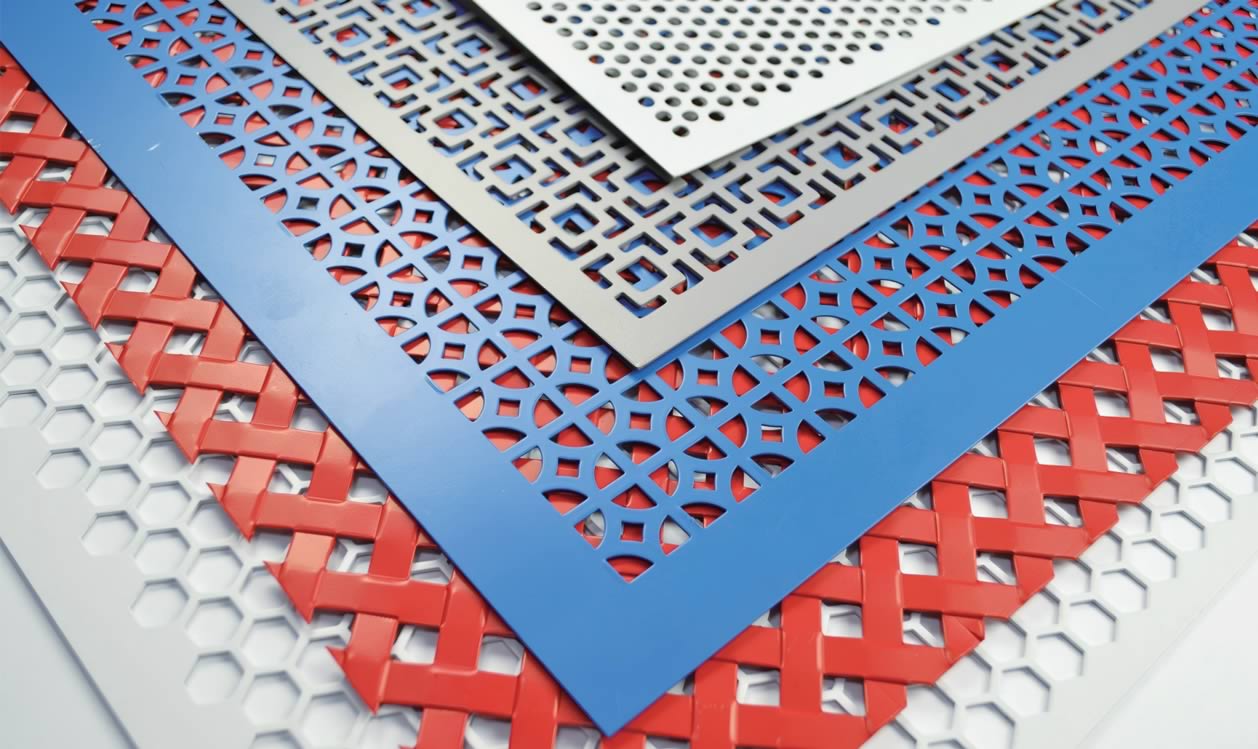
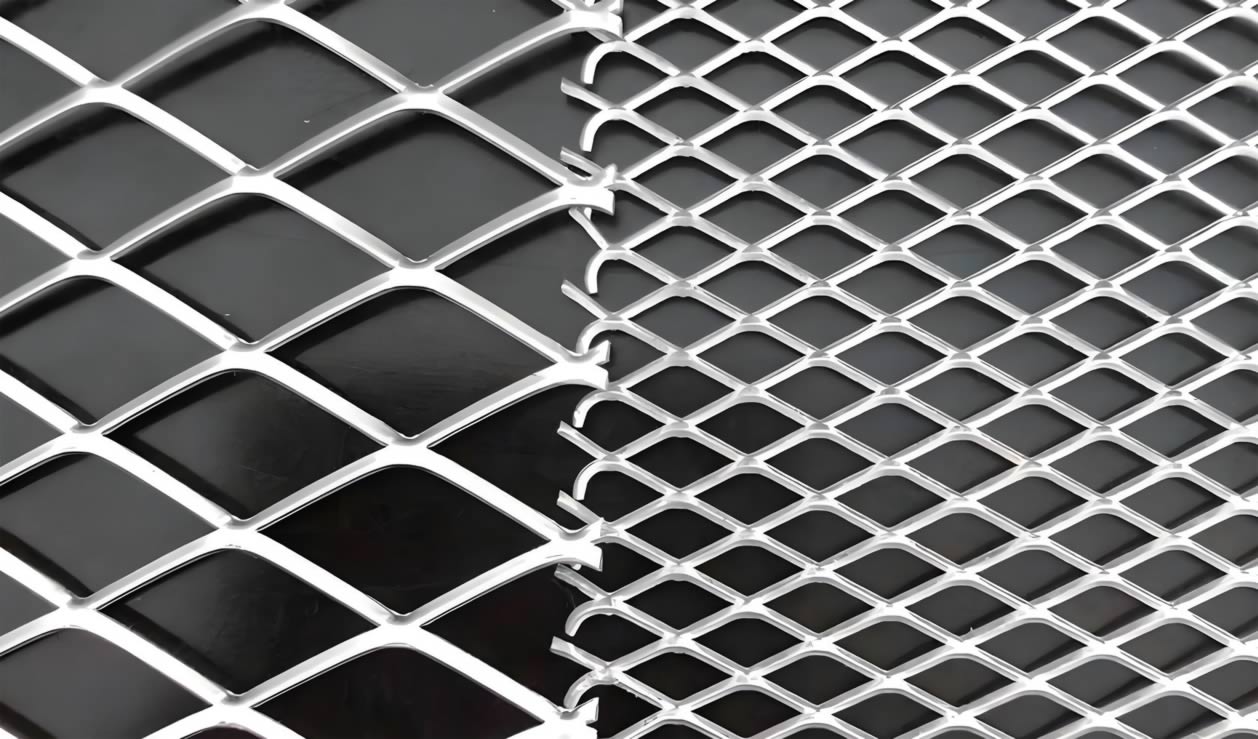
Epoxy wire mesh is manufactured using a high-temperature electrostatic powder coating process on the surface of metal wire mesh. It is available in materials such as stainless steel mesh, carbon steel mesh, and aluminum alloy mesh, with a variety of color options including black, gray, and white. Featuring cost-effectiveness, environmental friendliness, and durability, it can replace products like stainless steel mesh and galvanized mesh, and is widely used as a support layer for hydraulic and air filters, as well as for anti-theft and insect-proof applications on building doors and windows. Custom widths are supported, covering various mesh counts such as 18×14, 18×16, and more, meeting the requirements of industrial filtration and architectural protection.
Product Specifications
Coating: High-temperature electrostatic powder coating on the metal wire mesh surface
Material: Stainless steel mesh, carbon steel mesh, aluminum alloy mesh
Color: Black, gray, white, etc.
Advantages: Cost-effective, environmentally friendly, and durable (can replace stainless steel mesh and galvanized mesh)
Applications: Support layer for hydraulic and air filters; anti-theft and insect-proof for building doors and windows
Width: Customizable upon request
Mesh Count Specifications: 18×14, 18×16, 12×10, 22×20, 17×15, 18×15, 14, 18, 17, 15
Core Advantages and Selling Points
Advanced coating technology: High-temperature electrostatic powder coating ensures strong adhesion, uniform surface, and long-lasting durability
Flexible material selection: Options include stainless steel mesh, carbon steel mesh, and aluminum alloy mesh, suitable for different application scenarios
Multiple color options: Black, gray, white, etc., meeting both industrial and architectural decoration needs
High cost-performance ratio: Economical, environmentally friendly, and highly durable, capable of replacing stainless steel mesh and galvanized mesh
Clear application scenarios: Suitable for filter support and door/window anti-theft/insect-proof purposes, offering versatile functionality
Customization capability: Widths can be customized, with a full range of mesh counts to meet diverse installation requirements
Target Customer Groups
Filter equipment manufacturers, hydraulic component suppliers, air purification companies, building door and window manufacturers, anti-theft and security engineering firms, hardware and building materials distributors, foreign trade buyers, and industrial wire mesh dealers
Application Scenarios
Epoxy wire mesh for hydraulic filter support layers
Epoxy wire mesh for air filter support layers
Epoxy wire mesh for anti-theft applications on building doors and windows
Epoxy wire mesh for insect-proofing building doors and windows
Cost-effective epoxy wire mesh as a substitute for stainless steel mesh
Environmentally friendly epoxy wire mesh as a substitute for galvanized mesh
Custom-width industrial protective epoxy wire mesh
Solving Industry Pain Points
Addresses the issue of high costs and uneconomical procurement associated with stainless steel mesh and galvanized mesh
Tackles the problems of ordinary wire mesh being prone to corrosion, short lifespan, and frequent maintenance
Resolves the issue of separate purchases required for filter support and door/window protection, resulting in poor versatility
Overcomes the problem of fixed sizes not matching needs and inability to customize width
Core product value (strengthening B2B conversion)
Replaces expensive wire mesh, significantly reducing material procurement costs
Environmentally friendly coating plus durable structure extends service life and lowers replacement costs
One material serves multiple purposes, covering both filter support and architectural protection, thereby improving purchasing efficiency
Custom widths and multiple mesh counts enhance adaptability and reduce installation losses
Frequently Asked Questions (FAQ)
Q1: What processes and materials are used to produce epoxy wire mesh?
A: It is produced using a high-temperature electrostatic powder coating process on the surface of metal wire mesh, with materials including stainless steel mesh, carbon steel mesh, and aluminum alloy mesh.
Q2: What colors and specifications are available?
A: Colors include black, gray, white, etc.; mesh counts cover a variety of specifications such as 18×14, 18×16, 12×10, and more.
Q3: Where is it mainly used?
A: It is used as a support layer for hydraulic and air filters, as well as for anti-theft and insect-proof applications on building doors and windows.
Q4: Is customization supported? What are the advantages?
A: Custom widths are supported; core advantages include cost-effectiveness, environmental friendliness, and durability, making it a viable alternative to stainless steel mesh and galvanized mesh.